

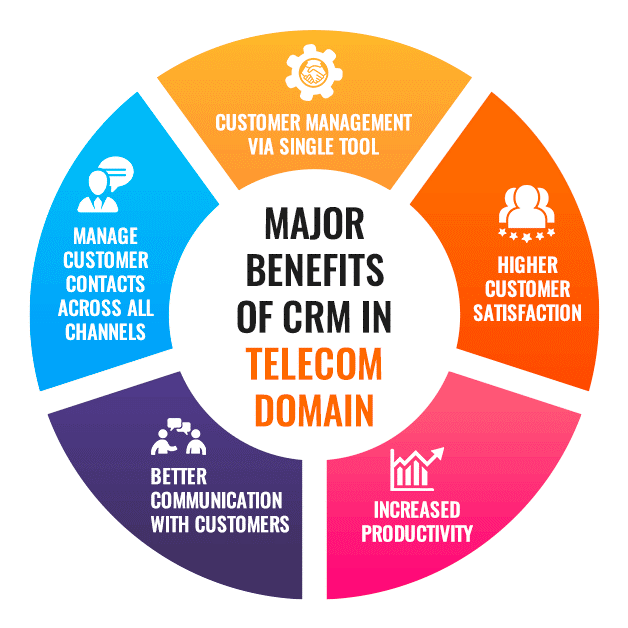
Source: Techjockey
1. Comprehensive MSISDN/IMSI Number Management
- End-to-End Management: The ability to manage the lifecycle of numbers, from allocation to deactivation.
- Scalable and Flexible Allocation: Seamless handling of increasing customer volumes and dynamic needs.
- Integration: Compatibility with customer identity management and advanced number portability systems.
- Effortless number allocation and deallocation.
- Full integration with customer identity management systems.
- Advanced number portability to meet regulatory requirements and enhance customer convenience.
Use-Case Scenario:
For instance, a telecom operator launching a new prepaid service can efficiently allocate and manage thousands of new MSISDNs using AviateCX telecom CRM solution. This ensures a seamless onboarding experience for customers without delays or errors.
2. 360-Degree Customer View for Enhanced Engagement
In today’s telecom landscape, customers expect personalized, seamless experiences. An advanced telecom CRM must provide a unified view of customer data to enable informed decision-making and proactive engagement, ultimately reducing churn.
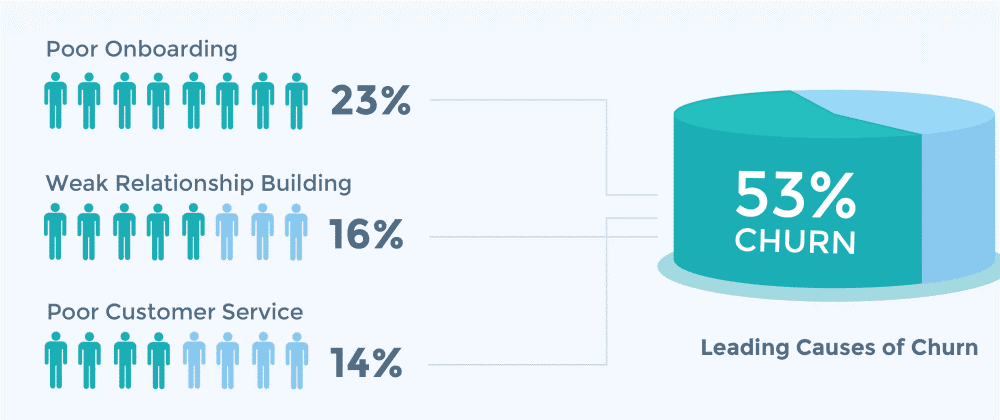
A graphical representation of AI helping predict customer churn for telco (Image Credit: DEV)
Key Requirements:
- Holistic Data Integration: Consolidation of billing, service requests, and contact history into a single interface.
- Support for Hierarchical Product & Account Structures: Especially important for enterprise customers with complex needs.
- Actionable Insights: Ability to analyze customer behavior for targeted campaigns.
How AviateCX Stands Out:
AviateCX’s 360-degree customer view provides:
- Detailed visibility into customer profiles, including billing history, contact details, and service requests.
- Support for hierarchical account management, making it ideal for enterprise and retail customers alike.
- Seamless integration with other services, enabling a unified approach to customer relationship management.
Use-Case Scenario:
For example, an enterprise account manager can use AviateCX to view detailed customer profiles for a corporate client with multiple service plans, enabling personalized upsell opportunities and improved account management.
3. Agile and Automated Order Management
Order management is a critical process that directly impacts customer satisfaction and revenue generation. Delays or errors in this area can lead to churn and reputational damage.
Key Requirements:
- End-to-End Order Processing: From initiation to fulfillment.
- Catalog-Driven Management: Integration with product Catalogs to streamline order creation.
- Automated and Agile Fulfillment: Minimize manual errors and ensure faster turnaround times.
How AviateCX Stands Out:
AviateCX excels with its end-to-end order management, offering:
- Catalog-driven order processing that ensures accurate and efficient order creation.
- Integration with account and service management systems, creating a seamless workflow.
- Automated order fulfillment to significantly reduce lead times and enhance the customer experience.
Use-Case Scenario:
AviateCX allows telecom operators to automatically fulfill service activations for a promotional data plan during peak demand, eliminating manual bottlenecks while ensuring timely activations for all customers.
4. Dynamic Product Catalog
A dynamic product Catalog is essential for managing diverse offerings and launching new products quickly. It should also provide analytics to help operators align their offerings with market trends.
Key Requirements:
- Customization and Personalization: Support for tailored plans and services.
- Advanced Analytics: Insights into product performance and customer preferences.
- Automation: Streamline configurations, ensure compatibility checks, and enhance operational accuracy.
How AviateCX Stands Out:
AviateCX’s product Catalog includes:
- Dynamic customization for creating personalized plans and services.
- Advanced analytics to track product performance and refine offerings.
- Automated configuration and compatibility rules to reduce errors and accelerate launches.
Use-Case Scenario:
A telecom operator can use AviateCX’s dynamic product Catalog feature to quickly design and launch a customized family data plan with multiple add-ons, targeting specific demographics (e.g., families or youth users).
5. Superior Service Management
Customer service is the backbone of any telecom operation. Efficient handling of service requests and trouble tickets can significantly enhance customer satisfaction.
Key Requirements:
- T2R (Trouble to Resolve): Fast resolution times for service issues.
- Enhanced Customer Communication: Proactive updates to keep customers informed.
- Integration with Other Systems: Seamless connection to account and order management modules.
- Seamless customer service management: Telecom CRM makes the entire customer service process hassle-free.
How AviateCX Stands Out:
With AviateCX, telecom operators gain:
- Efficient service management tools that handle service requests and trouble tickets seamlessly.
- Enhanced customer communication to ensure transparency and satisfaction.
- proactive issue tracking and resolution to reduce resolution times and improve customer retention.
Use-Case Scenario:
A customer facing connectivity issues logs a ticket through telecom CRM. The CRM automatically assigns the ticket to the right team, tracks resolution progress, and updates the customer in real-time.
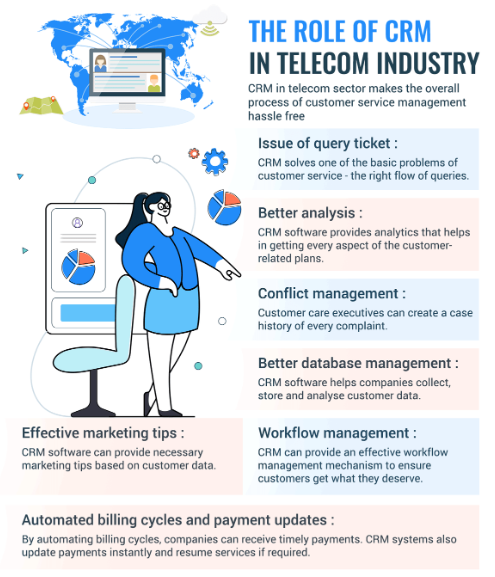
Source: Techjockey
6. Scalability and Cost Efficiency
As customer bases grow, telecom CRMs must scale effortlessly while keeping operational costs in check.
Key Requirements:
- Scalability: Handle growing customer volumes without compromising performance.
- Cost Optimization: Reduce manual efforts and operational expenses through automation.
How AviateCX Stands Out:
AviateCX is a CRM tailored for telecom operations, enabling:
- Efficient handling of large-scale customer data.
- Cost savings through automation and streamlined workflows.
Why AviateCX is the CRM Your Telecom Business Needs
While many telecom CRM solutions exist, AviateCX is uniquely designed for the telecom industry, offering features that address its specific challenges. From managing complex account structures to facilitating dynamic product customization, AviateCX empowers operators to modernize their operations and exceed customer expectations.
Telecom operators leveraging AviateCX have reported:
- 20-30% increase in customer satisfaction scores.
- 15-20% reduction in churn rates.
- 30% faster time-to-market for new products and services.
For instance, a Tier-3 operator in the Middle East achieved a 25% reduction in customer complaints and a 30% boost in new subscriber acquisition after implementing AviateCX.
Takeaway:
Investing in a CRM that aligns with the unique demands of the telecom industry is essential for success. Features like comprehensive number management, dynamic product Catalogs, and scalability should be at the top of your list. AviateCX stands out as the ideal choice when it comes to telecom CRM, enabling operators to unlock operational efficiency, enhance customer satisfaction and retention, and drive sustainable growth.
Ready to transform your telecom operations? Learn more about AviateCX today.